Banking is entering an accelerated era, where change is driven by unprecedented innovation and evolving customer expectations. An industry that has always been characterised by a formal air of trust and a conservative approach is now moving forward at a rapid pace. With Artificial Intelligence gaining momentum in everyday banking interactions, digital payments are expanding at a scale never seen before, and investment vehicles like exchange-traded funds are seeing exponential growth. Processes that, back in the day, spanned a few years before they could evolve into new ones, these very processes are all of a sudden being seen to unfold in months. It’s a misconception to think that the banking sector is just transforming; it is also becoming a more dynamic sector that is taking on the role of being the vehicle of innovation. The essential question is not whether or when the banks will adapt but rather how promptly their transformation will take place, indicating the fact that most of the banks are already on the path of digital transformation by 2026.
From Incremental to Exponential Change
Previously reliant on slow, monolithic systems, banks now face pressures to adopt exponential innovation. This shift is driven by three main forces:
1) Consumer Expectations of Real-Time Finance:
Customers demand instant, personalised banking experiences, quick credit approvals, and curated recommendations, which are best done by a man and machine AI collaboration. Buy Now, Pay Later (BNPL) services are expected to grow significantly in the coming years alongside a sharp rise in real-time payment transactions, reflecting a shift towards faster and more flexible payment options. It is essential to reinvent customer engagement channels, enable hyper-personalised decision-making, and seamless authentication for payment acceptance or credit extension.
2) Regulatory Acceleration:
To expedite digitalisation, global policymakers are introducing regulations such as India’s Digital Banking Units (DBUs), the EU’s PSD2/PSD3 directives, and the GCC’s open finance guidelines. The growth in non-bank financial intermediaries (NBFIs), which has been both more intricate and wider in scope, in the most recent years, obliges the employing of more effective compliance frameworks and the introduction of better risk management strategies.
3) AI and cloud adoption at scale:
The global AI in banking market is projected to reach USD 64.03 billion by 2030, growing at a compound annual growth rate (CAGR) of 32.6%, according to a report by Allied Market Research. AI is now embedded across banking functions, including compliance, fraud detection, customer experience, and profitability. Similar to cloud infrastructure, AI is becoming essential for achieving operational scalability and resilience.
Technology deployment must evolve with innovation:
Integrating banking directly into non-financial platforms such as e-commerce is on the rise. Based on a report by Grand View Research, the global Banking-as-a-Service (BaaS) market is expected to reach USD 66 billion by 2030.
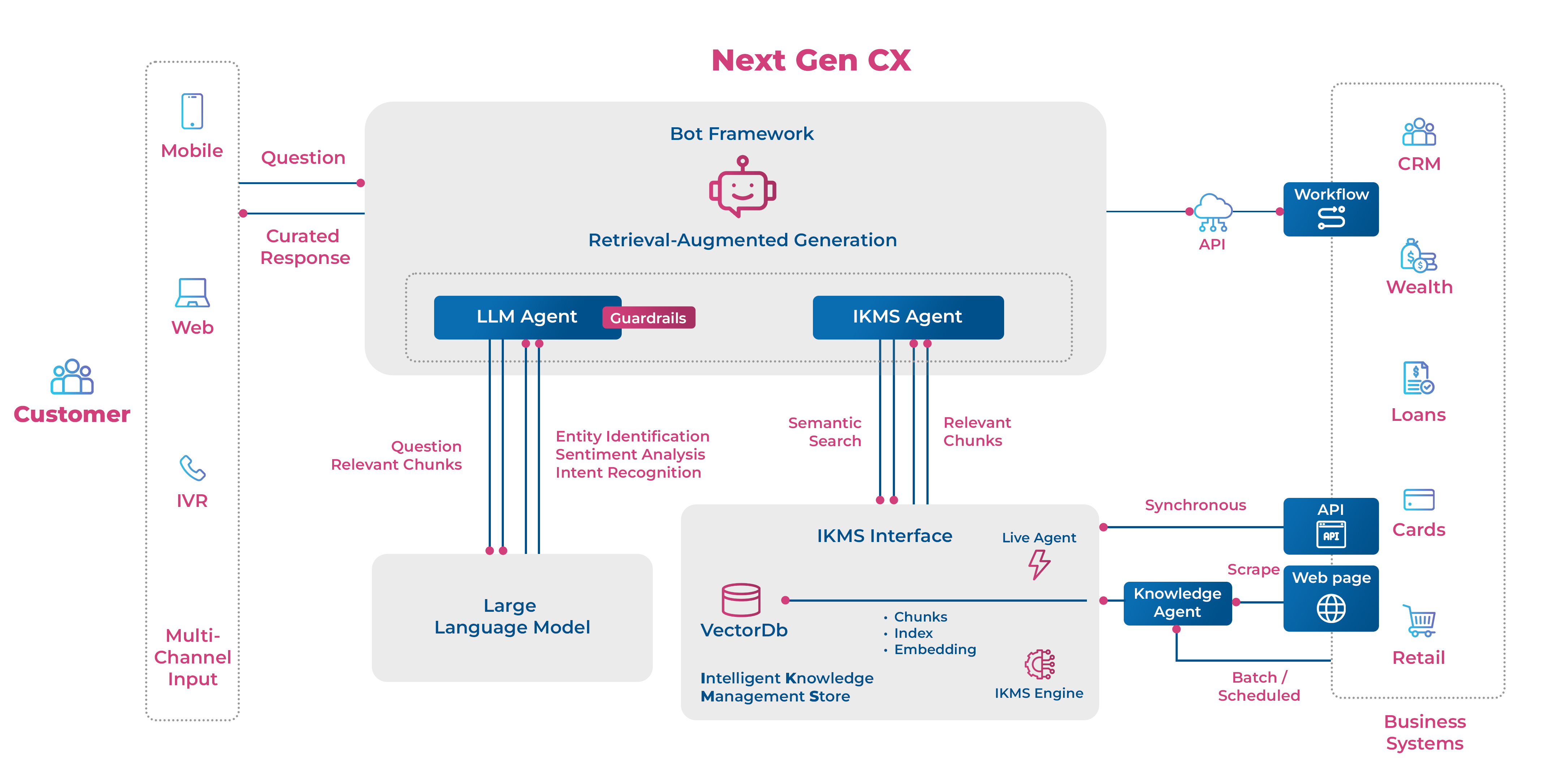
Retailers increasingly partner with banks for instant, personalised offers and payments via identity beacons, enhancing customer experiences through Gen AI-supported interactions. For example, real-time data analytics and machine learning models are now essential for personalised financial services.
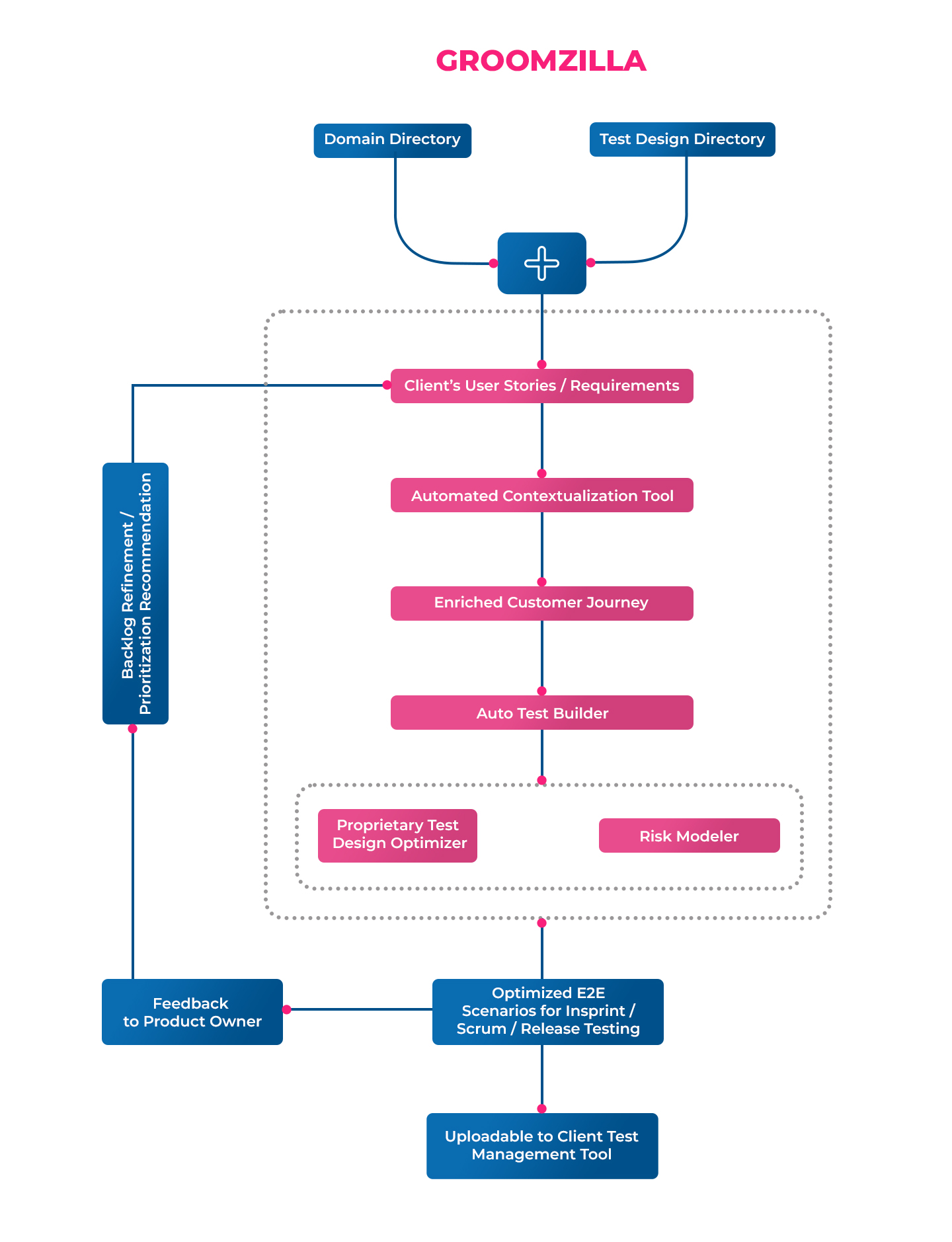
Reimagined branch visits are becoming an emerging trend, with branches shifting to high-footfall locations like malls. The store-like experience includes personalised offers and decision aids, including immediate approval for flexible loans, made possible by customer identification based on consent. AI-enhanced customer support decision-making and AI call-quality audit aids are enabling deeper customer insights. Comprehensive customer insights are rendered through AI call-quality audits in customer support. Clearly defined success criteria require the design of a scalable platform for context-aware data storage and retrieval. No less challenging is the decomposition of a complex decision engine into simpler, algorithmically or human-enhanced, AI and GenAI solvable tasks.
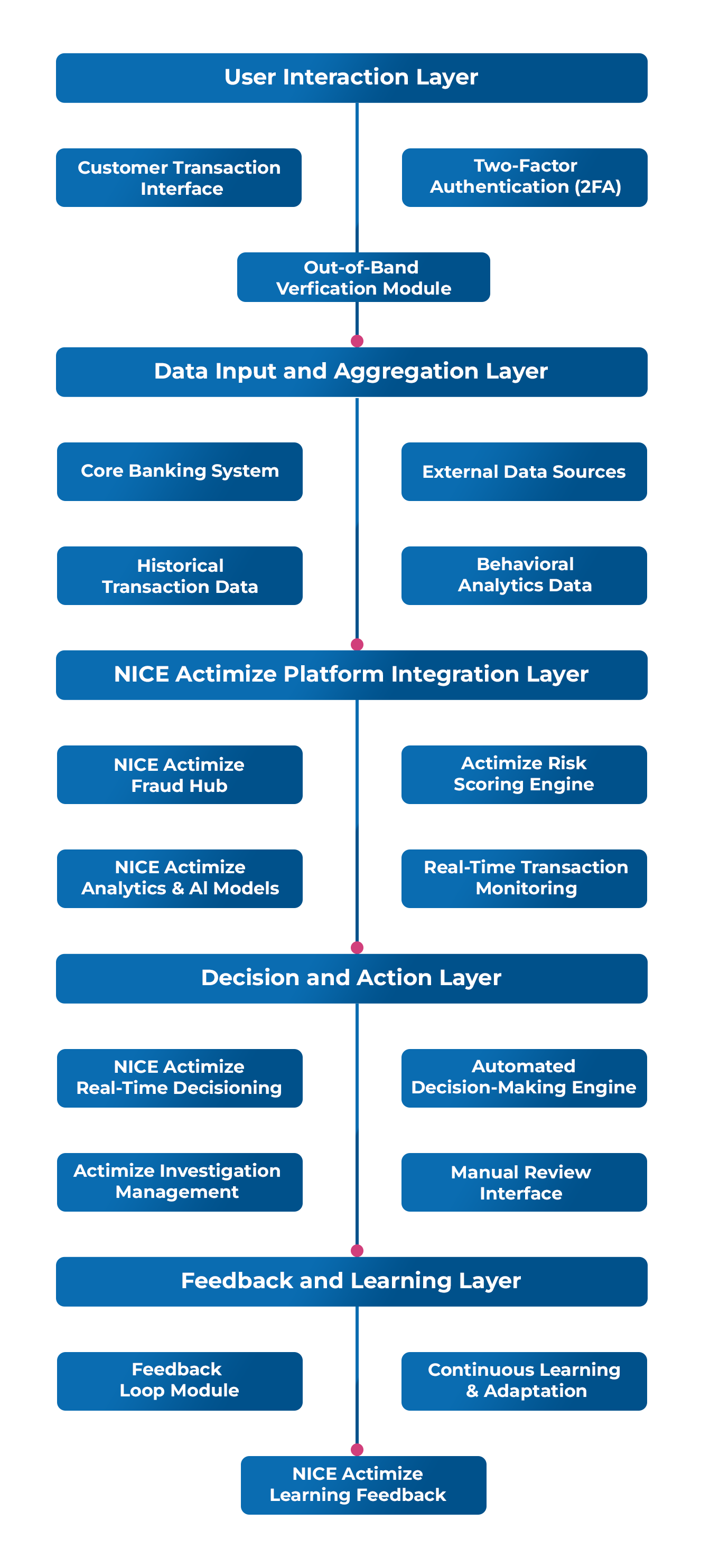
Traditional bank security methods are being replaced by newer zero-trust type frameworks that require continuous verification of identity and transactions. Investing into newer technologies such as 2D/3D facial recognition systems and biometric payment cards are expected from financial institutions as threats continue to advance. Another associated use case consists of applying AI and Gen AI for creating risk assessment and mitigation plans for IT projects.
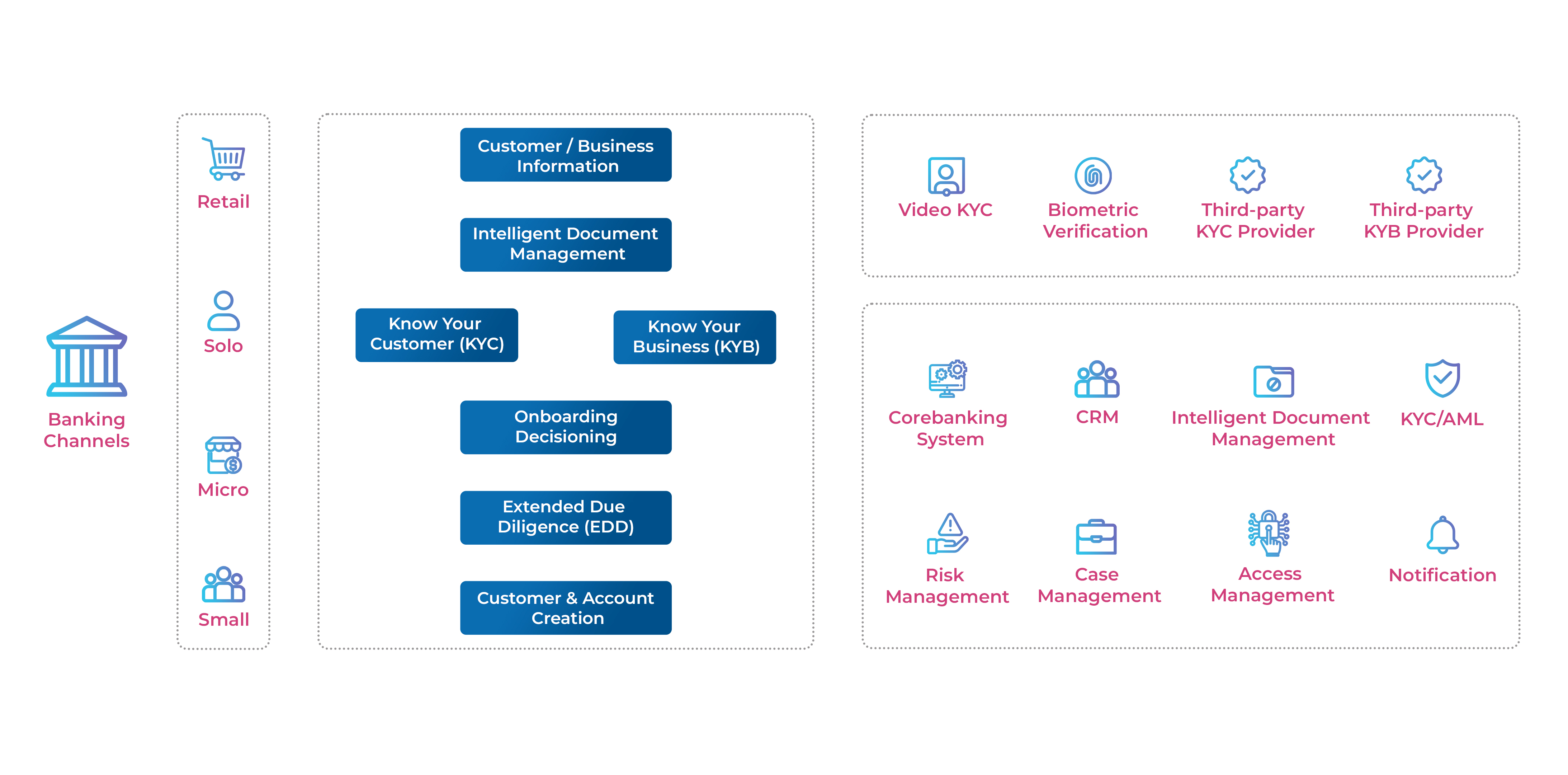
Expansion into cross-border payments, digital lending, asset tokenisation, and decentralised finance (DeFi) blockchain solutions is being adopted cautiously. Financial institution consortia are utilising blockchain technology to streamline customer identity verification processes, unlock asset value, and enhance the identity-verifying asset.
Data centers are quickly being replaced by cloud-first banking, which allows for faster scaling and deployment of services. Hybrid cloud approaches are avoided by over 70% of banks who prioritise cloud adoption due to the risk of “reverse cloud migration” triggered by cost and compatibility issues.
The Next Decade: AI-led Operations and Technology
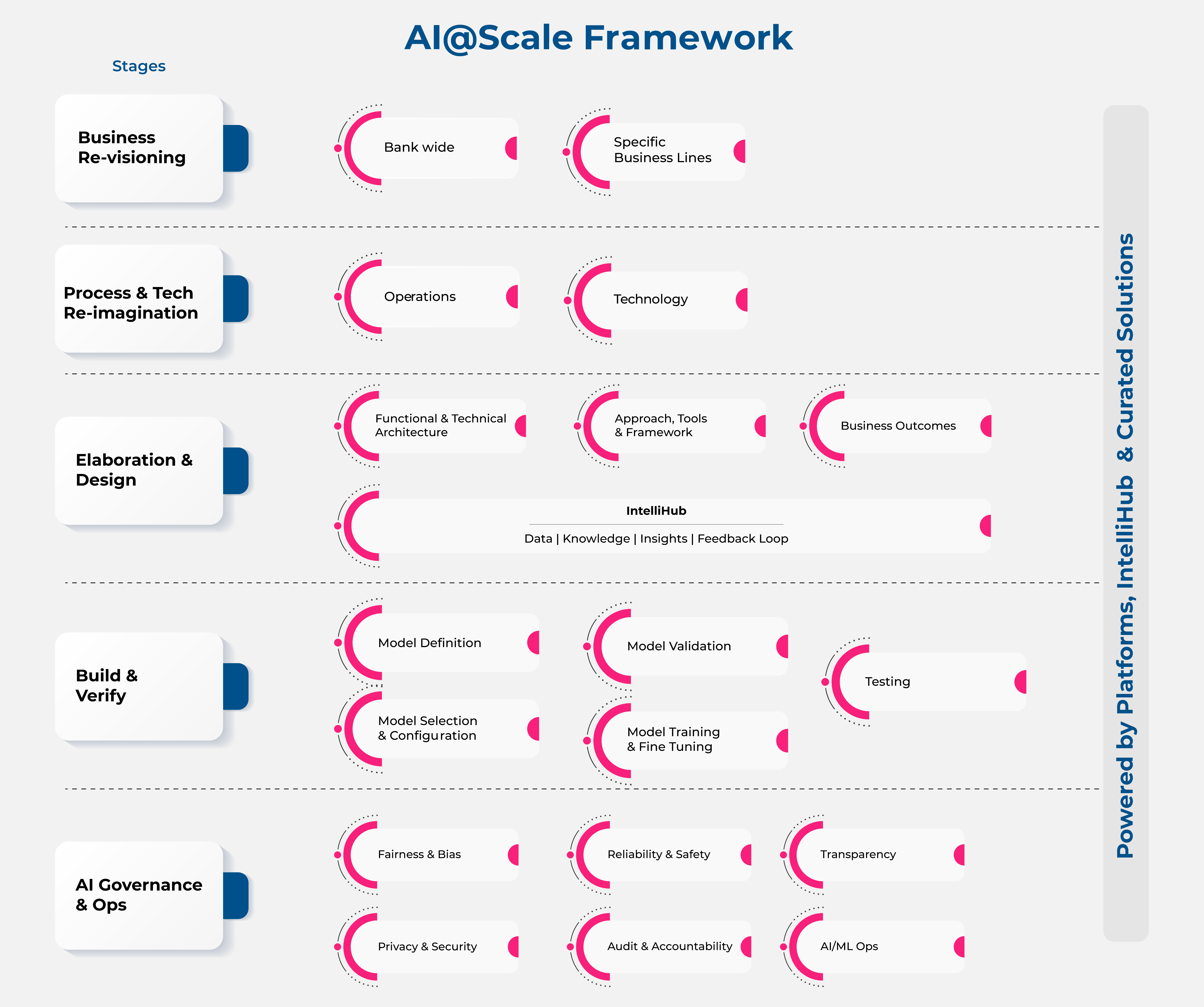
The future of banking will be firmly rooted in AI-led operations and technological innovation. With AI at the center of banking operations, institutions that embrace the shift on a large scale will thrive. The acceleration era is not just about speed; it’s about intelligence, adaptability, and automation within the framework of evolving regulatory standards.
About The Author
 As the Head of Customer engagement the EMEA region, Santanu Dutta leads the Solution Anchor Team, driving the digital narrative of Maveric Systems. Santanu is a seasoned professional with over 27 years of extensive experience in technology leadership, client engagement, and business success across BFS and FMCG sectors. He focuses on elevating customer engagement, exploring innovative service offerings, and amplifying Maveric’s impact in the EMEA region.
Article Origianlly Published in CRN