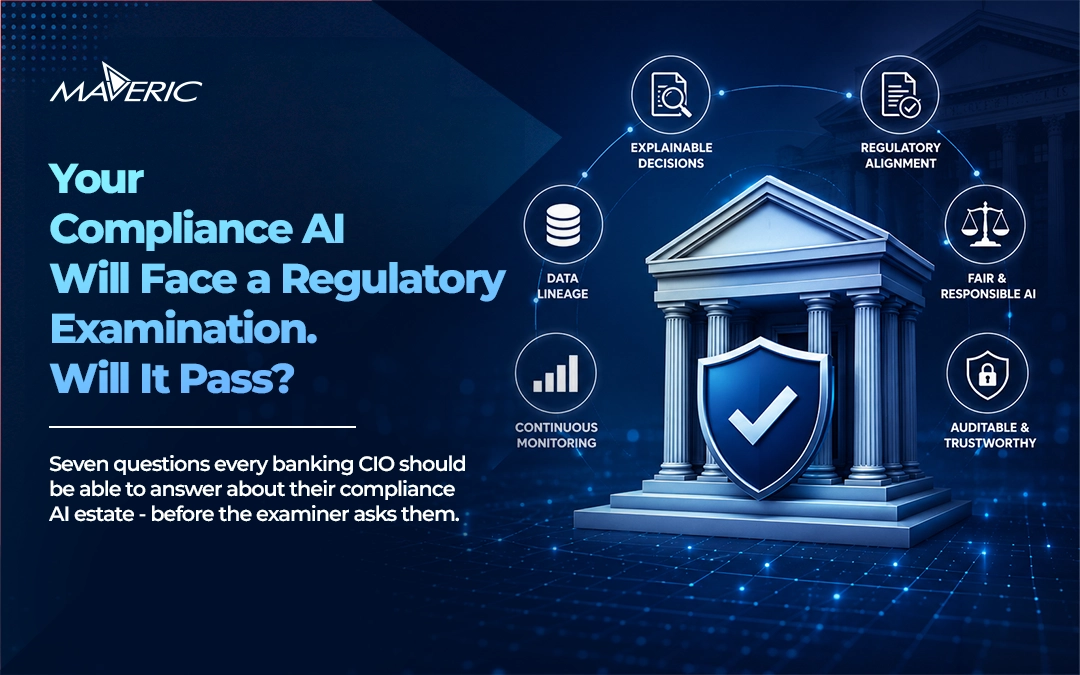

AI-driven banking decisions will not be trusted simply because they are faster, smarter, or more automated. They will be trusted when the institution can prove how the decision was made, what data it acted on, which validations were applied, and where the system found... View
The structural shift from retrospective compliance to compliant-by-design AI is not a philosophical preference. It is an engineering decision with direct regulatory consequences. Most AI governance in banking today operates after the fact. A model is trained,... View
For years, core banking modernization has been framed as a race from batch to real-time. The logic is clear. Real-time systems respond faster, support time-sensitive decisions, and help banks move away from the latency of legacy processing cycles. But for the AI-first... View
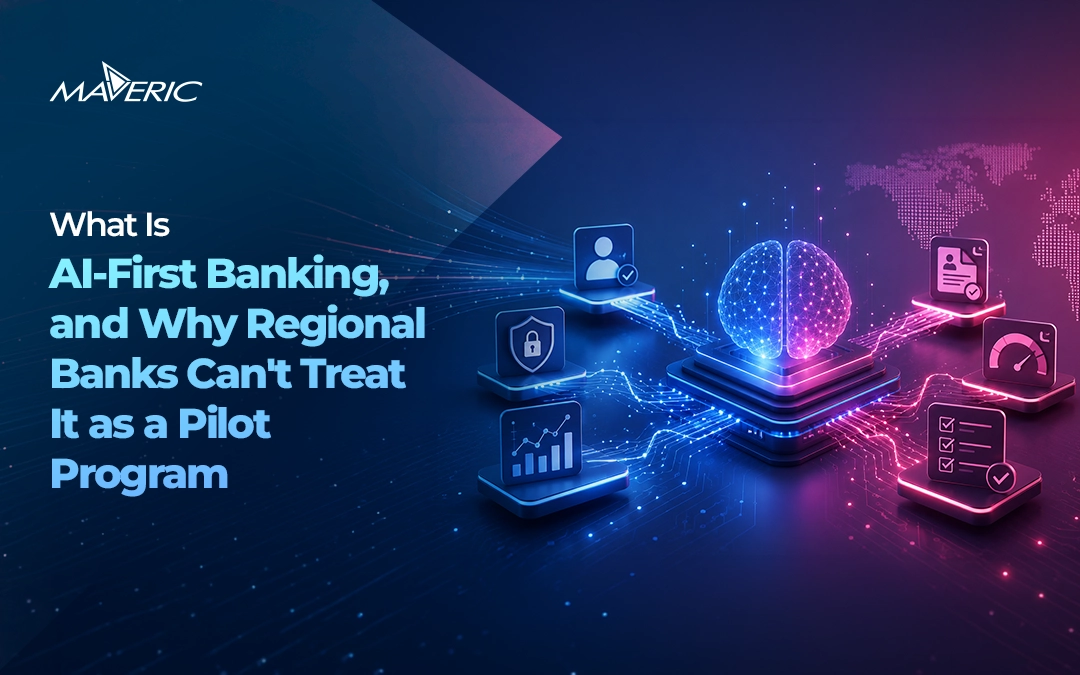
For years, the conversation around AI in banking was dominated by names most regional and mid-market banks could not afford to emulate – JPMorgan’s COIN platform, Goldman’s risk modelling infrastructure, HSBC’s transaction monitoring at scale.... View
How enterprises are misreading the trusted AI mandate – and what it actually takes to operationalize trust at scale. There is broad consensus that enterprise AI must be trusted to be useful. Where consensus breaks down is in what “trusted” actually means. The... View
Regression testing in banking often presents an uncomfortable tradeoff. Run the full suite and feedback may arrive too late. Run a reduced suite and teams may worry that the wrong scenario was excluded. The root problem is not always execution capacity. It is weak selection intelligence. Static regression packs were built for a more predictable […]
Release velocity is visible. Release confidence is harder to measure. A bank can reduce build time, automate deployment, and execute thousands of tests, yet still hesitate at the final release decision. The remaining uncertainty often concerns what the metrics do not reveal: untested dependencies, incomplete business scenarios, recurrent defect hotspots, or critical knowledge that never […]
Many banks have spent years expanding test automation. Yet release decisions can still involve lengthy reviews, oversized regression packs, manual impact analysis, and calls to the same subject matter experts. That is not evidence that automation failed. It is evidence that the problem changed. AI-first banking introduces faster change across increasingly connected systems. The quality […]