
AI-enabled core banking modernization is the shift from systems of record to systems of intelligence: banking cores that can generate customer- and transaction-specific data access, validation logic, and decisioning on demand, instead of relying only on predefined... View
Generative AI in banking replaces static, human-built analytical models with a dynamic orchestration engine capable of real-time conceptualization, letting a bank identify and act on a customer opportunity the moment it emerges instead of waiting for the next... View
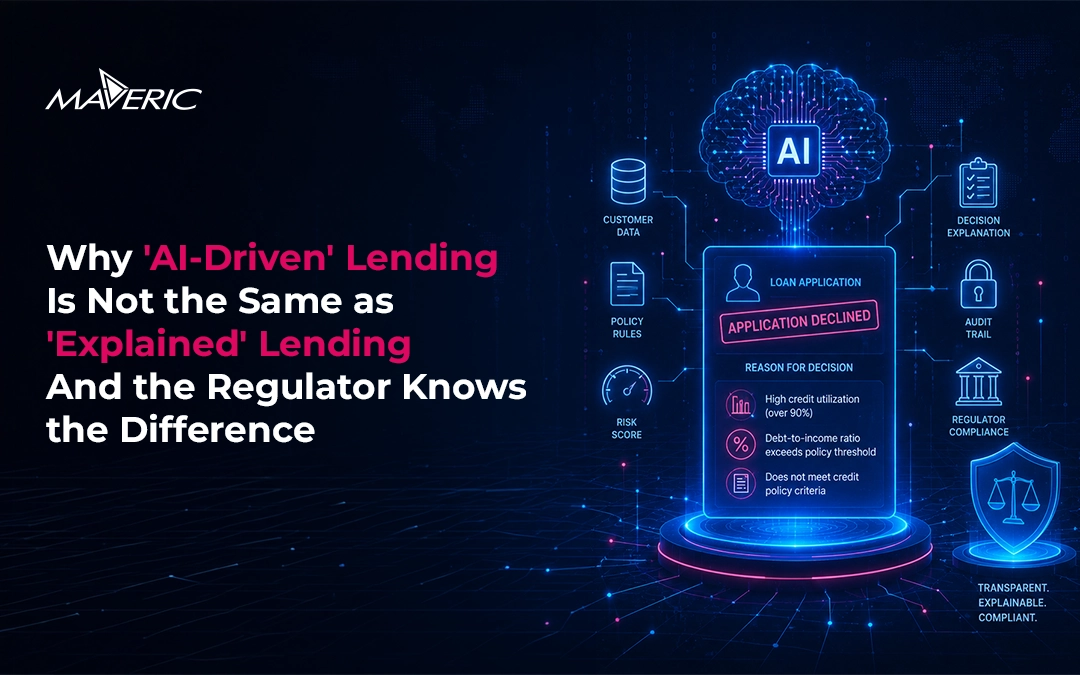
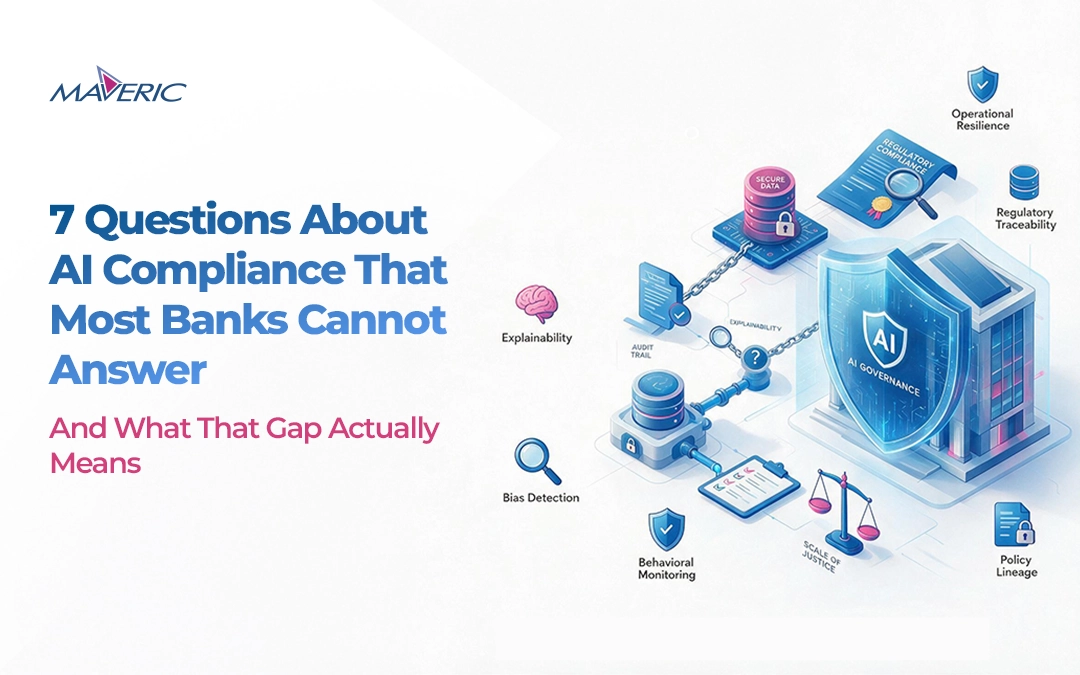
AI risk in banking is the set of exposures created when a model’s decisions can’t be explained, reproduced, or defended under regulatory examination, ranging from unfair credit outcomes to compliance failures that surface only after a customer or examiner... View
Banks have always stored more intelligence than their systems could use. Every transaction record, payment description, compliance note, customer document, manual override, and explanation field contains signals about intent, context, risk, and behaviour. But for most... View
APIs changed core banking for the better. They helped banks break away from monolithic constraints, expose reusable services, and integrate digital channels with systems of record. For many institutions, API-led modernization became the practical foundation of digital... View
Regression testing in banking often presents an uncomfortable tradeoff. Run the full suite and feedback may arrive too late. Run a reduced suite and teams may worry that the wrong scenario was excluded. The root problem is not always execution capacity. It is weak selection intelligence. Static regression packs were built for a more predictable […]
Release velocity is visible. Release confidence is harder to measure. A bank can reduce build time, automate deployment, and execute thousands of tests, yet still hesitate at the final release decision. The remaining uncertainty often concerns what the metrics do not reveal: untested dependencies, incomplete business scenarios, recurrent defect hotspots, or critical knowledge that never […]
Many banks have spent years expanding test automation. Yet release decisions can still involve lengthy reviews, oversized regression packs, manual impact analysis, and calls to the same subject matter experts. That is not evidence that automation failed. It is evidence that the problem changed. AI-first banking introduces faster change across increasingly connected systems. The quality […]