


The banking industry is at an inflection point. Core systems that once powered growth are now holding innovation back. As banks race to deliver hyper-personalized experiences, ensure compliance, and modernize legacy platforms, AI in core banking modernization has emerged as the defining enabler of this transformation.
Artificial intelligence is no longer an experimental capability—it’s a foundational force that’s reshaping how banks design, develop, and deliver value across every function. From software development and digital transformation to AML (Anti-Money Laundering) operations, AI is accelerating modernization at scale.
Rethinking Core Banking with AI
Traditional core banking platforms were designed for stability and scale—but not for agility. Their rigid architecture makes it difficult to adapt to rapidly changing customer expectations and evolving regulatory demands.
AI in core banking modernization addresses this challenge head-on by:
- Re-architecting legacy systems: AI models identify inefficiencies and automate modernization roadmaps, reducing manual dependency in code migration and data transformation.
- Accelerating development: AI-powered software engineering tools generate, test, and deploy code faster—minimizing errors and improving security posture.
- Optimizing operations: Machine learning models enable predictive system maintenance and workload balancing for uninterrupted performance.
The result? Faster time to market, lower operational risk, and a flexible digital backbone that can support innovation well into the future.
AI for Banking Software Development: Engineering Smarter Systems
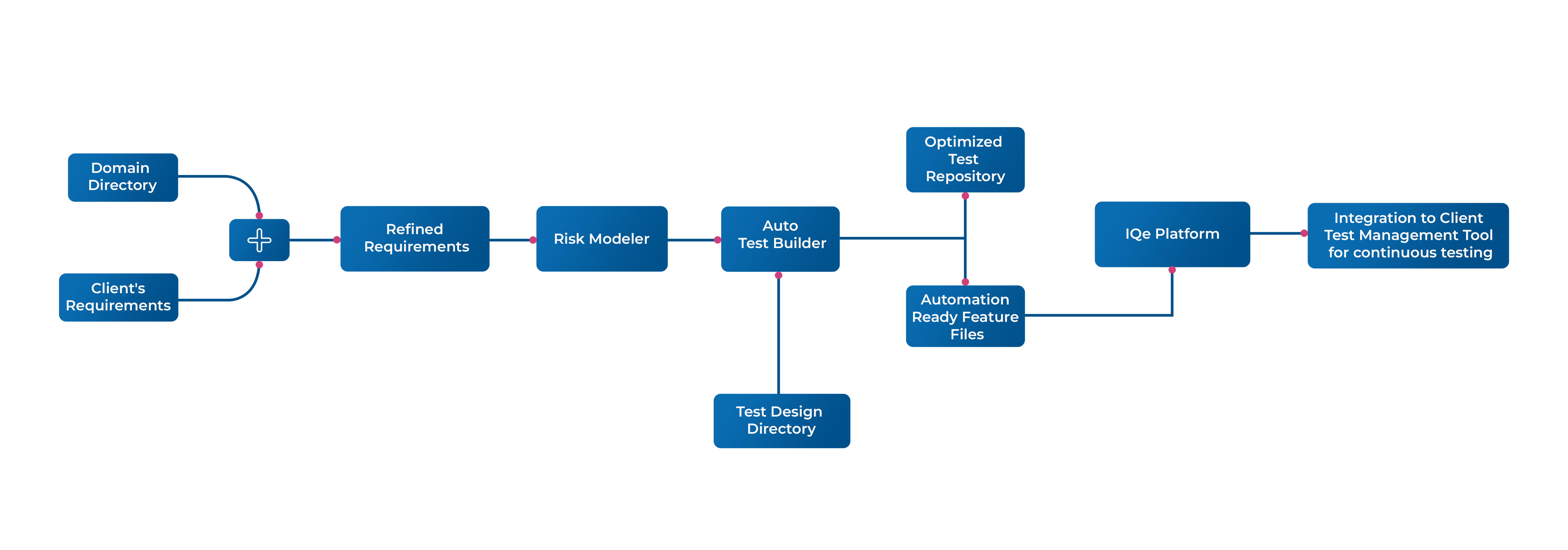
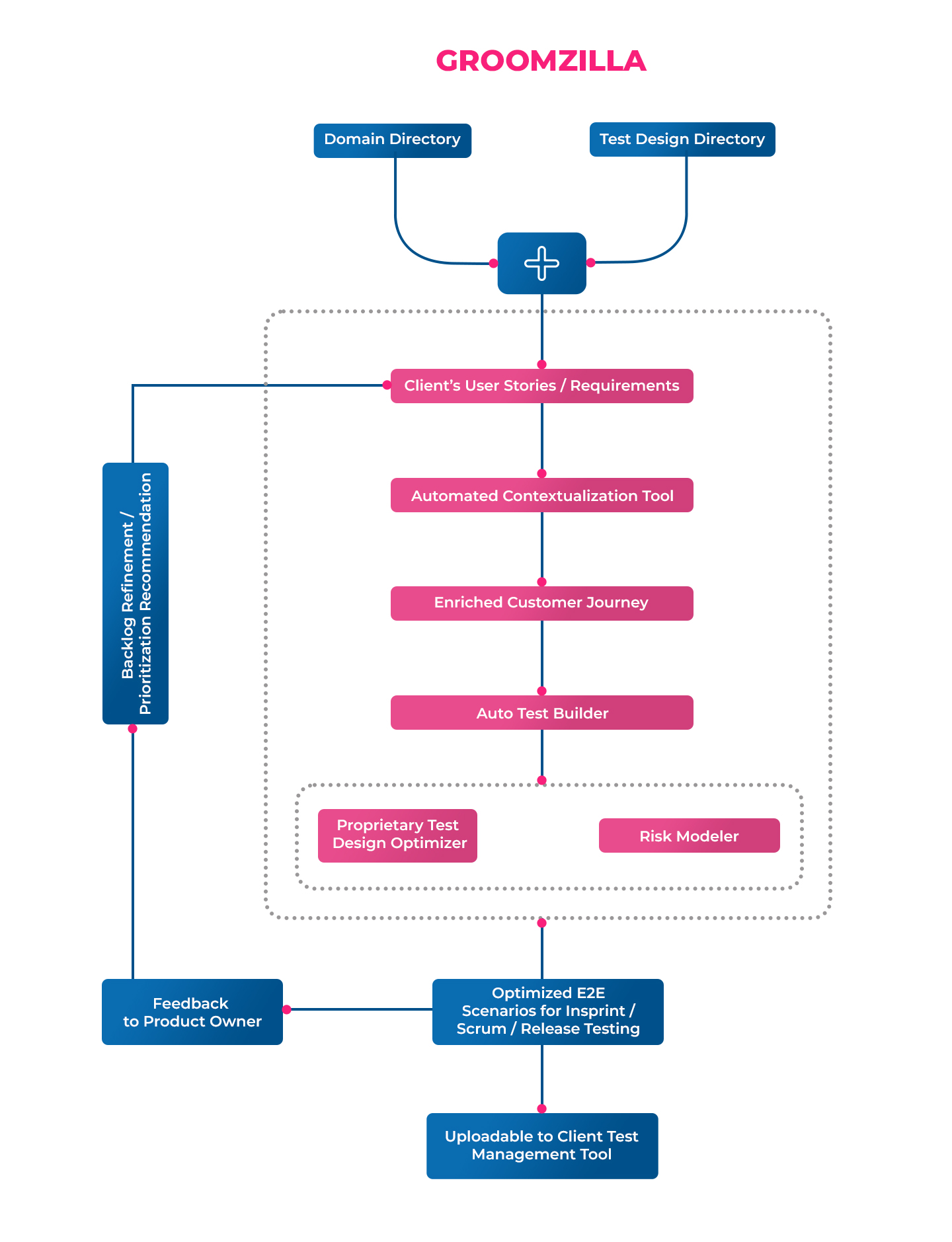
In a landscape where innovation speed defines competitiveness, AI for banking software development is transforming how products and services come to life. Banks are increasingly adopting AI-driven DevOps pipelines to improve both productivity and quality.
- Intelligent Code Assistants: Generative AI tools recommend optimized code, detect vulnerabilities, and ensure compliance with internal standards—saving developers countless hours.
- Automated Testing and Deployment: AI models execute test cases based on learned patterns, identifying potential defects before release.
- Continuous Compliance: AI systems automatically scan for regulatory adherence, reducing audit complexity and manual intervention.
By embedding AI across the software lifecycle, banks can achieve consistent agility without compromising security or compliance.
AI for Digital Banking Transformation: Building Experience-Led Ecosystems
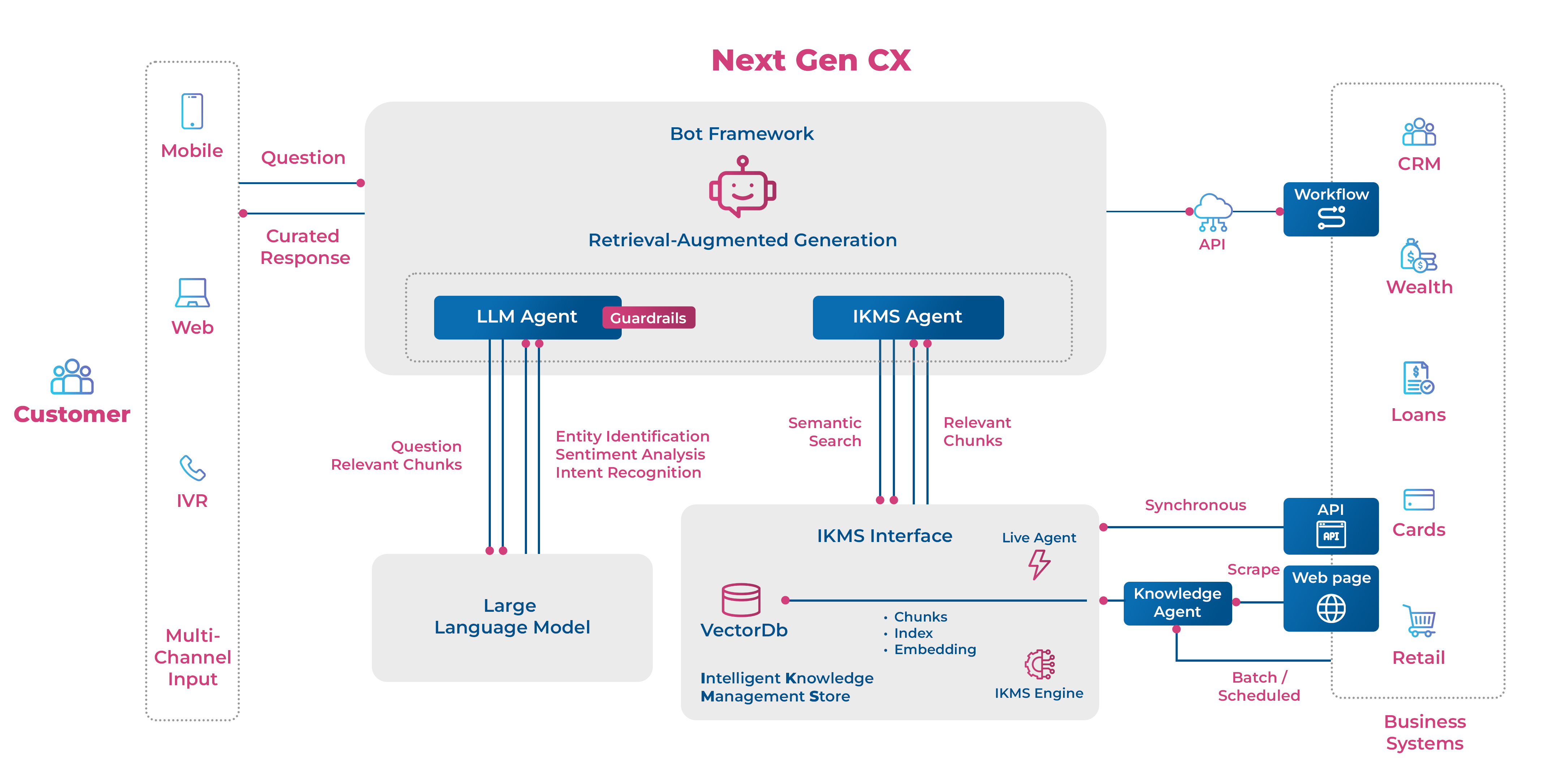
Customer experience remains the north star for every digital transformation initiative. AI for digital banking transformation is driving the shift from transactional interfaces to intelligent, experience-driven ecosystems.
- Personalized Banking Journeys: Predictive analytics and AI-driven recommendations tailor offers, spending insights, and wealth advisory in real time.
- Conversational Interfaces: AI chatbots and virtual assistants improve engagement, reducing support costs while enhancing satisfaction.
- Data-Driven Decisions: AI models unify fragmented data sources to provide a 360° view of customers—helping banks act faster and smarter.
This transformation isn’t just about digitizing channels—it’s about embedding intelligence into every customer interaction.
Agentic AI in AML Operations: The Future of Financial Crime Prevention
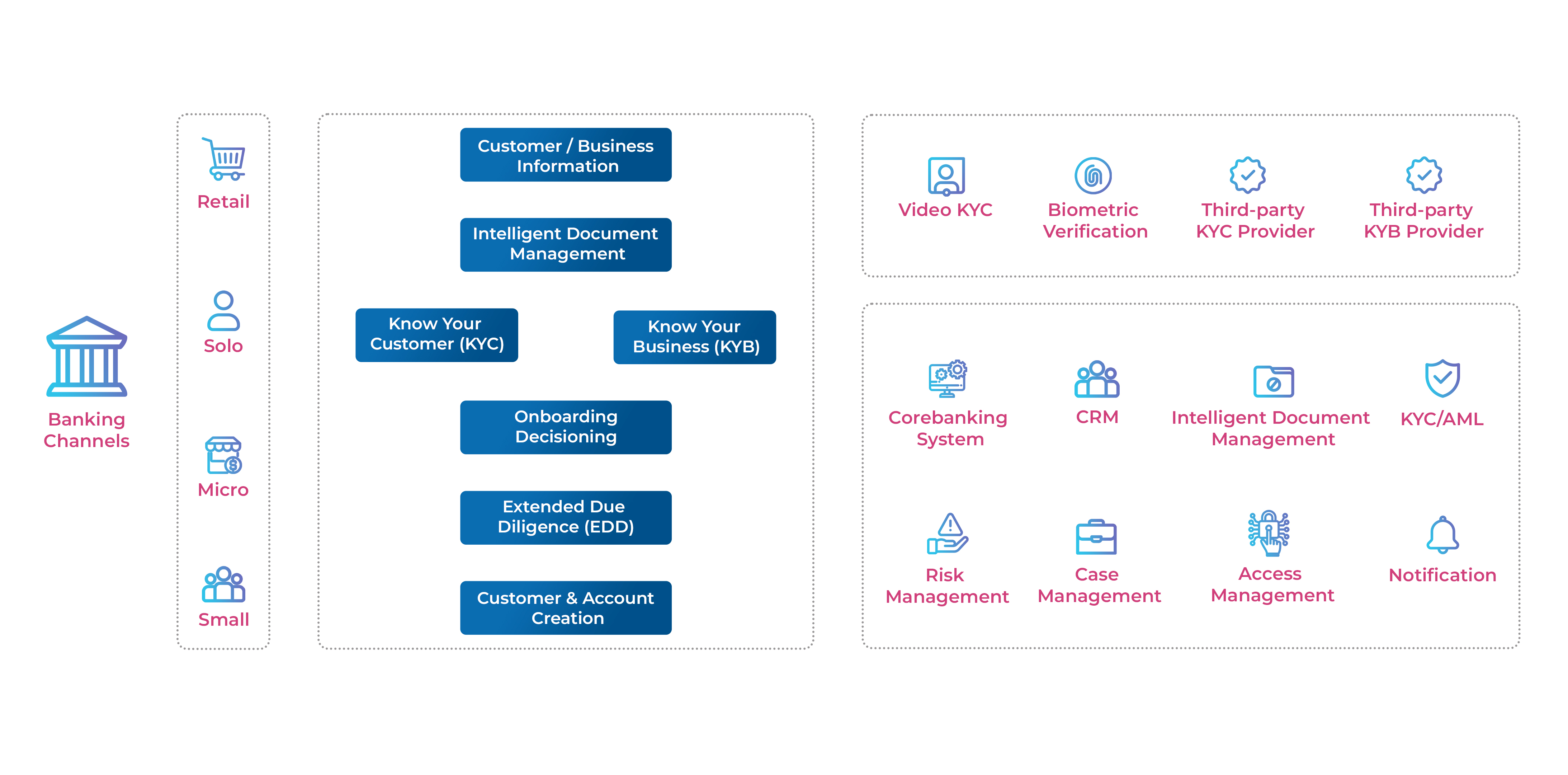
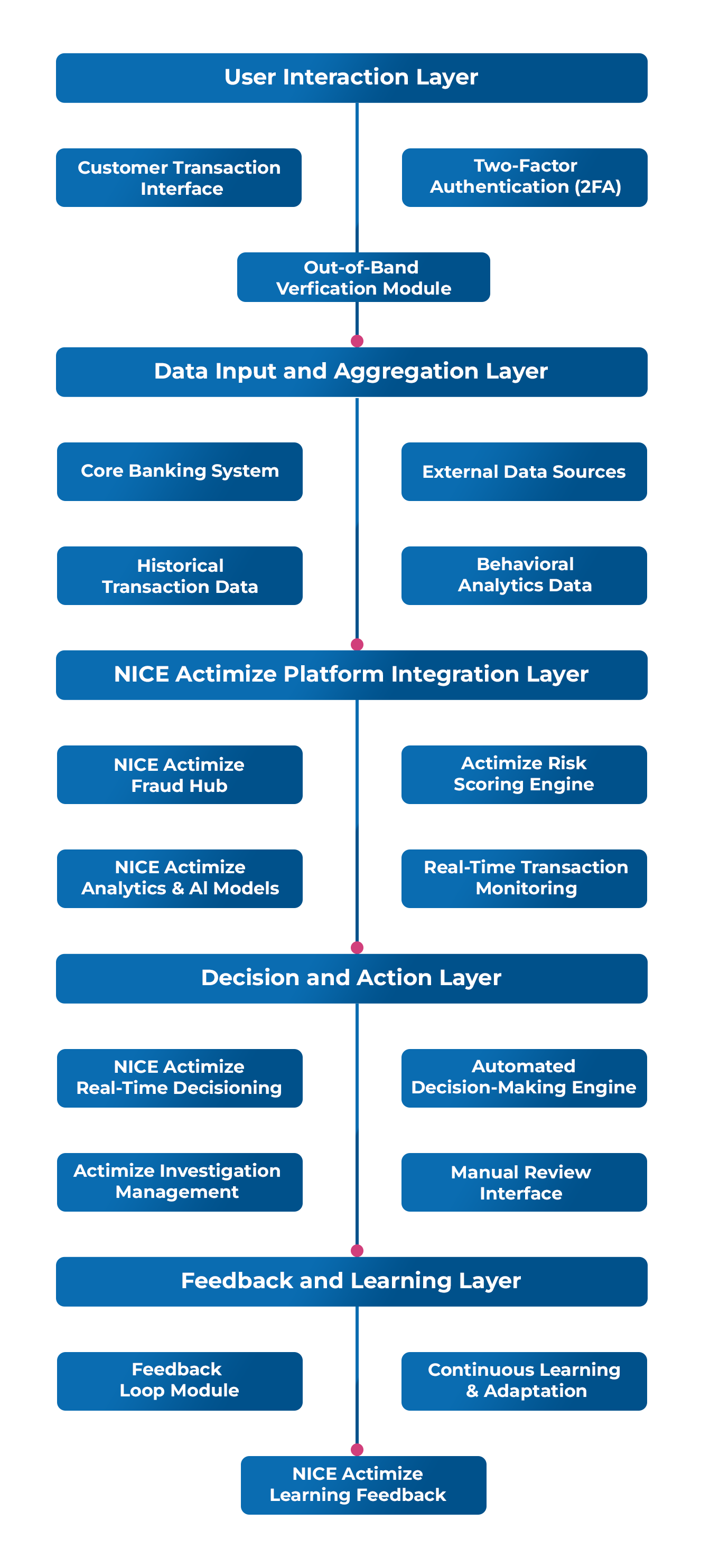
Financial crime has grown in sophistication and scale, making manual AML (Anti-Money Laundering) operations inefficient and error-prone. Agentic AI in AML operations is redefining how banks detect and respond to suspicious activities with greater precision.
Unlike rule-based systems, Agentic AI combines reasoning, autonomy, and context awareness to act intelligently in complex environments.
Here’s how it’s changing AML operations:
- Adaptive Risk Scoring: Agentic AI models dynamically adjust thresholds based on transaction behaviour, reducing false positives.
- Proactive Investigation: Autonomous agents monitor patterns across networks to identify emerging threats before escalation.
- Explainable AI Models: They provide transparent insights into decision paths, supporting regulators’ demand for accountability.
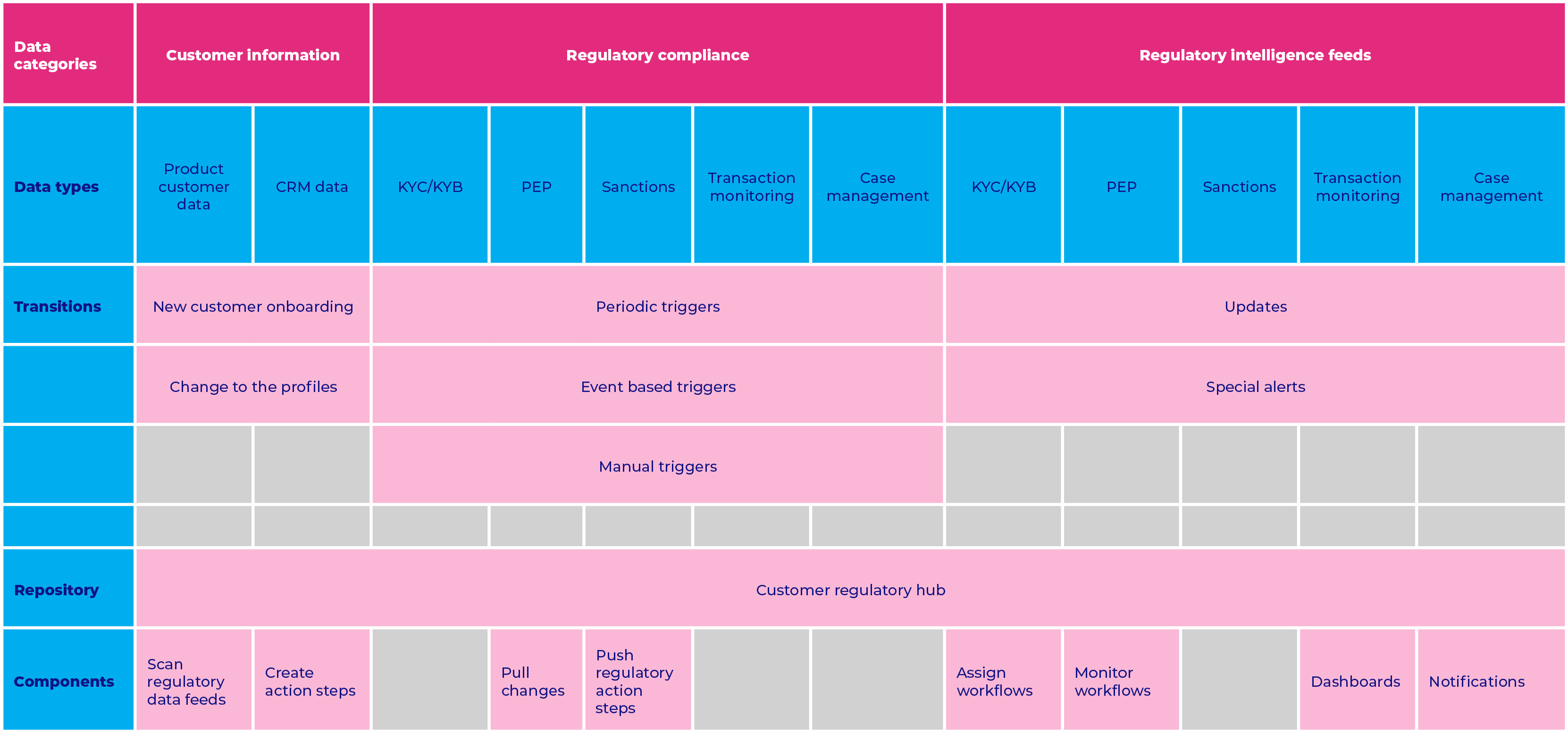
When integrated with an AI-led compliance framework, AI-led AML operations improve both efficiency and trust, empowering compliance teams to focus on strategic risk mitigation instead of repetitive reviews.
Responsible AI for Trustworthy Transformation
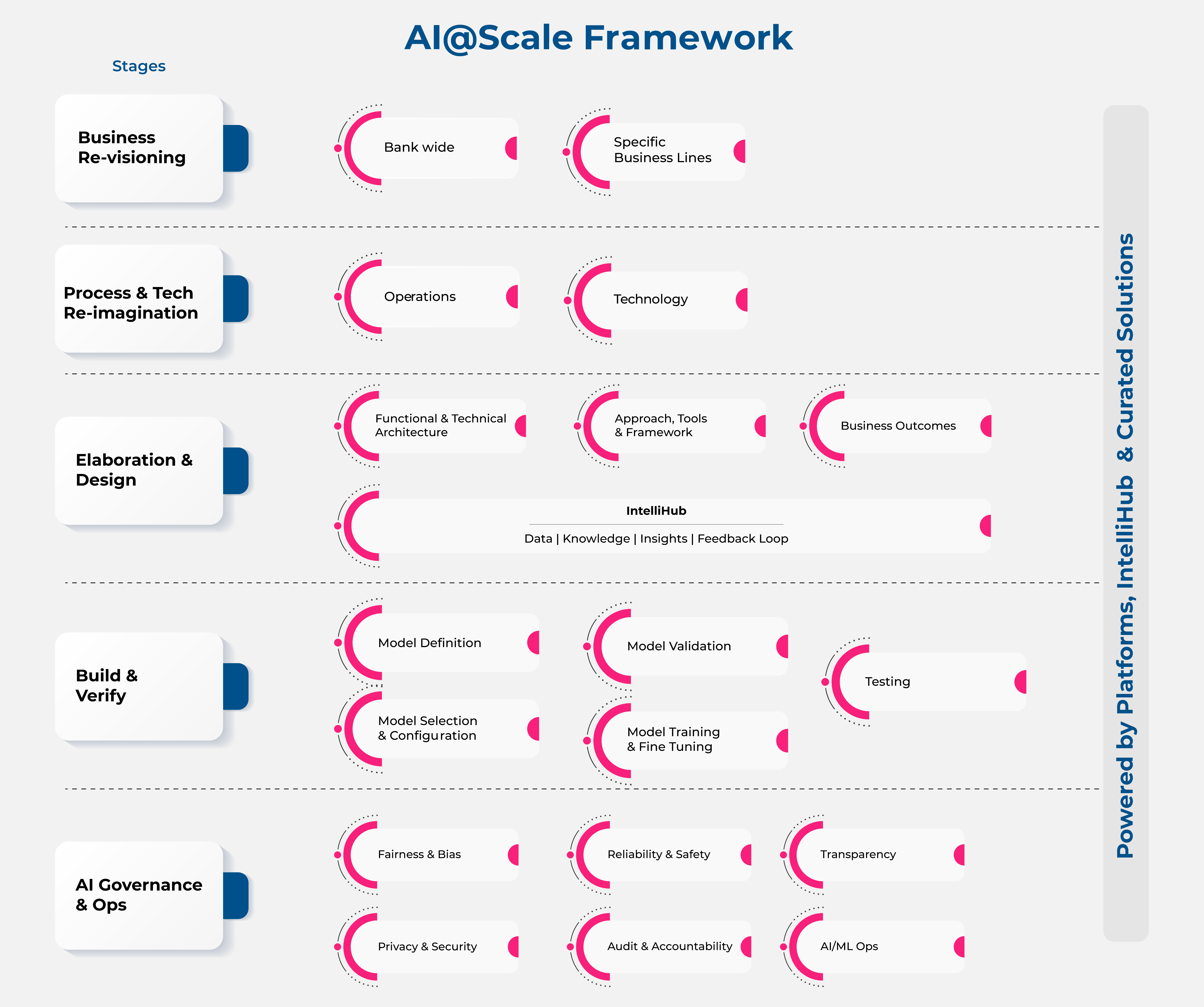
As AI becomes embedded in every layer of banking, ensuring its responsible use is paramount. Core banking modernization cannot succeed without transparency, fairness, and ethical governance.
Maveric’s approach to responsible AI ensures:
- Model Accountability: AI systems that are auditable and explainable across decisions.
- Data Ethics: Adherence to privacy regulations and secure data management.
- Bias Monitoring: Continuous evaluation to detect and mitigate unintended bias in models.
Responsible AI builds confidence among regulators, customers, and internal teams—making modernization sustainable and compliant.
Accelerating Transformation with Maveric Systems
At Maveric Systems, we partner with global banks to design AI-led modernization strategies that bridge the gap between legacy constraints and digital aspirations. Our expertise spans the full banking value chain—from core modernization to AML transformation, software development automation, and digital experience enhancement.
Our AI Tech Transformation Services enable banks to:
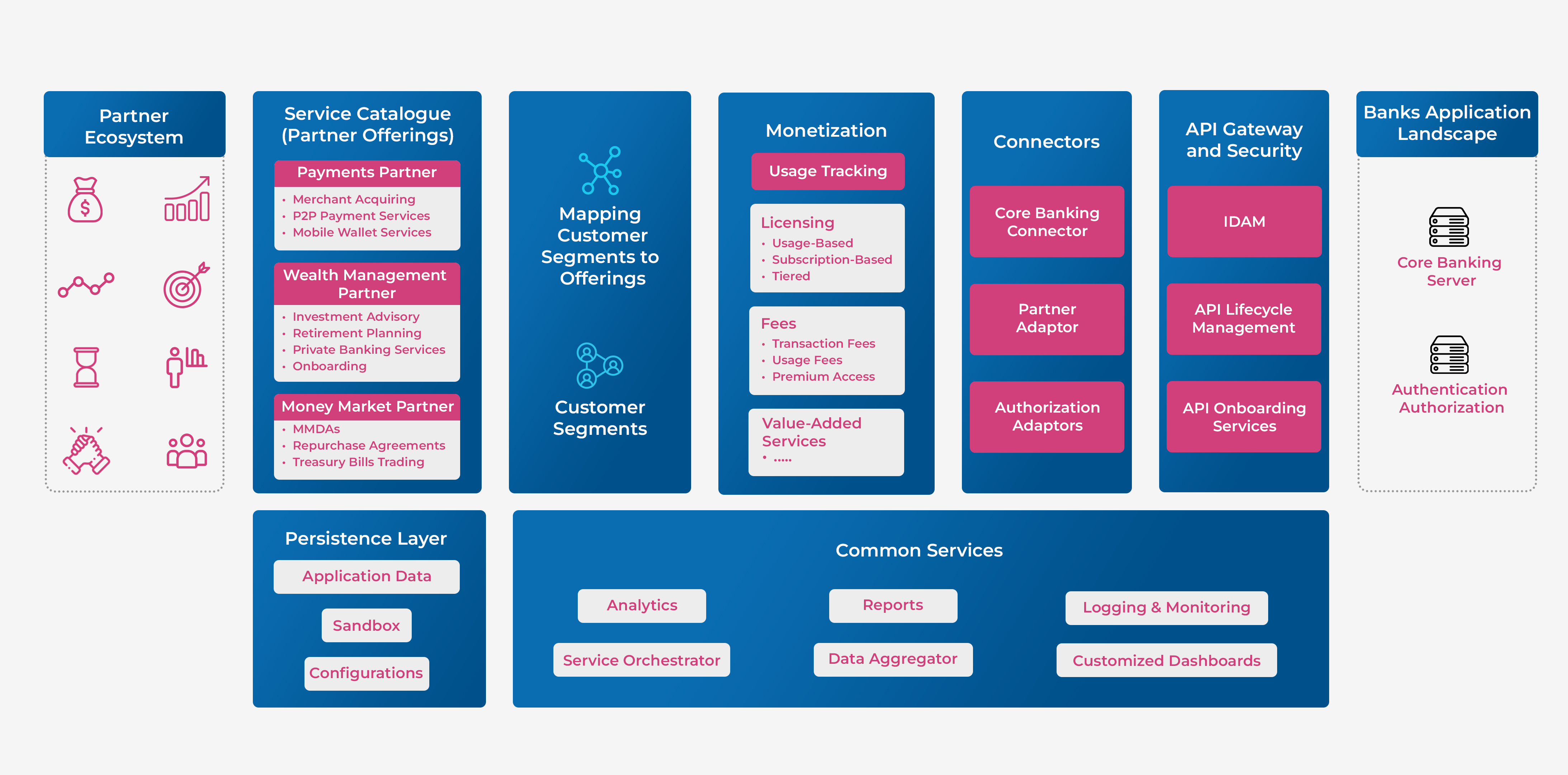
- Reimagine core systems with composable, AI-enabled architectures.
- Implement AI agents across risk, compliance, and operations.
- Drive continuous innovation through intelligent software delivery.
- Ensure every AI deployment is explainable, secure, and compliant.
By combining deep domain expertise with next-generation AI capabilities, Maveric empowers banks to modernize confidently and competitively.
The Road Ahead: From Modernization to Intelligence
The future of banking lies in intelligent ecosystems that learn, adapt, and grow with customer and regulatory needs. AI in core banking modernization isn’t just about upgrading technology—it’s about transforming the very DNA of banking operations.
With Agentic AI improving compliance, generative AI accelerating software delivery, and predictive analytics personalizing every customer journey, the possibilities are limitless. Banks that embrace this AI-first modernization approach will lead the next decade of financial innovation.
FAQs on AI in Core Banking Modernization
1. What is AI in core banking modernization?
It’s the application of artificial intelligence to upgrade and optimize legacy banking systems—automating processes, improving performance, and enabling digital innovation at scale.
2. How does AI improve banking software development?
AI accelerates development by automating coding, testing, and deployment. It enhances accuracy, reduces bugs, and ensures compliance with regulatory frameworks throughout the SDLC.
3. What role does Agentic AI play in AML operations?
Agentic AI brings autonomy and contextual reasoning to AML systems. It identifies suspicious activity proactively, reduces false positives, and ensures transparent auditability.
4. Why is responsible AI important in banking transformation?
Responsible AI ensures models are ethical, explainable, and compliant—building trust among customers and regulators while minimizing operational risk.
5. How can Maveric Systems support AI-driven modernization?
Maveric provides end-to-end AI transformation services that span modernization strategy, implementation, and governance—empowering banks to unlock measurable business value through AI.
Conclusion
Transform your banking core with AI-driven intelligence.
Explore how Maveric’s AI Tech Transformation Services can help modernize your systems and make them future-ready.