
Banks today are moving rapidly from AI experimentation to AI-enabled operations. Yet, while pilots often succeed, enterprise-wide value remains uneven. The constraint is rarely the model itself. It is the architecture surrounding it. As AI becomes embedded in core... View
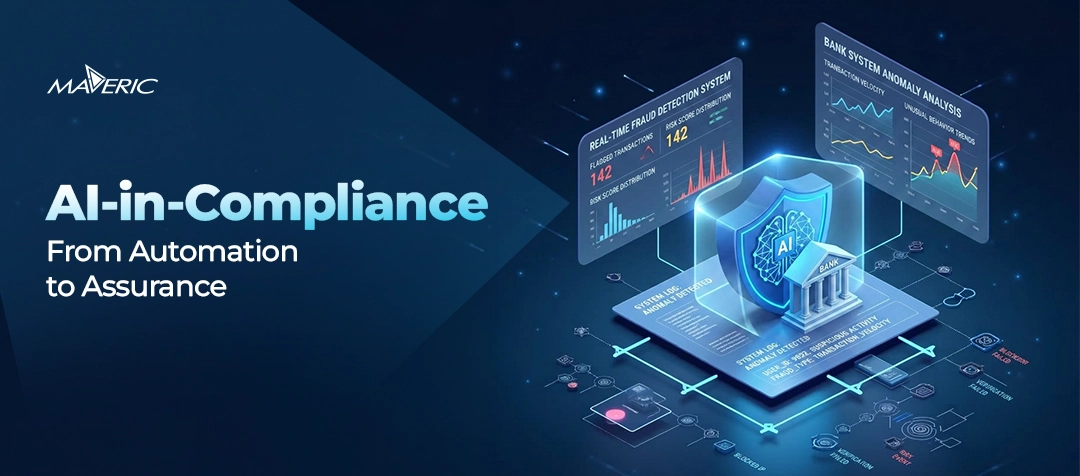
In an era where financial transactions move at the speed of data, fraudsters are evolving just as fast. Traditional rule-based systems struggle to keep pace with new fraud patterns, leading banks to explore a new frontier in fraud prevention — Agentic AI for fraud... View
In an era where customer expectations are evolving rapidly, banks are no longer just institutions for transactions ― they must become trusted advisers, anticipators of need, and seamless digital ecosystems. Central to this evolution is the adoption of artificial... View
The banking industry is at an inflection point. Core systems that once powered growth are now holding innovation back. As banks race to deliver hyper-personalized experiences, ensure compliance, and modernize legacy platforms, AI in core banking modernization has... View
Walk into a gathering of senior executives today and you’re unlikely to miss a mention of Artificial Intelligence (AI). Business leaders across industries are grappling with AI’s immense potential to transform processes, enhance decision-making, and improve customer... View
Regression testing in banking often presents an uncomfortable tradeoff. Run the full suite and feedback may arrive too late. Run a reduced suite and teams may worry that the wrong scenario was excluded. The root problem is not always execution capacity. It is weak selection intelligence. Static regression packs were built for a more predictable […]
Release velocity is visible. Release confidence is harder to measure. A bank can reduce build time, automate deployment, and execute thousands of tests, yet still hesitate at the final release decision. The remaining uncertainty often concerns what the metrics do not reveal: untested dependencies, incomplete business scenarios, recurrent defect hotspots, or critical knowledge that never […]
Many banks have spent years expanding test automation. Yet release decisions can still involve lengthy reviews, oversized regression packs, manual impact analysis, and calls to the same subject matter experts. That is not evidence that automation failed. It is evidence that the problem changed. AI-first banking introduces faster change across increasingly connected systems. The quality […]